If you’ve ever found yourself wide awake at 2 a.m., staring at the ceiling because your pain meds wore off, or your mind just won’t slow down, Granddaddy Purple might be exactly what your doctor would recommend.
This isn’t just another pretty strain with a fun name. Granddaddy Purple, often shortened to GDP, has built a loyal following among patients who struggle with chronic pain, anxiety, insomnia, and muscle tension. It’s one of those “evening strains” that helps your body and brain finally call it a night.
Now that Kentucky’s medical marijuana program is officially in motion, GDP will likely show up on many dispensary menus, and for good reason. Let’s break down why this deep purple classic is more than just visually stunning.
What Exactly Is Granddaddy Purple?
Granddaddy Purple is an indica-dominant hybrid created by crossing two iconic strains: Purple Urkle and Big Bud.
Think of it as the “comfort food” of the cannabis world.
- Purple Urkle brings the heavy relaxation and stress relief.
- Big Bud contributes the thick, resin-packed buds and strong body effects.
The result? A strain known for its grape-like aroma, sweet berry flavor, and deep calming effects, often described as a warm, heavy blanket that helps melt away pain and tension.
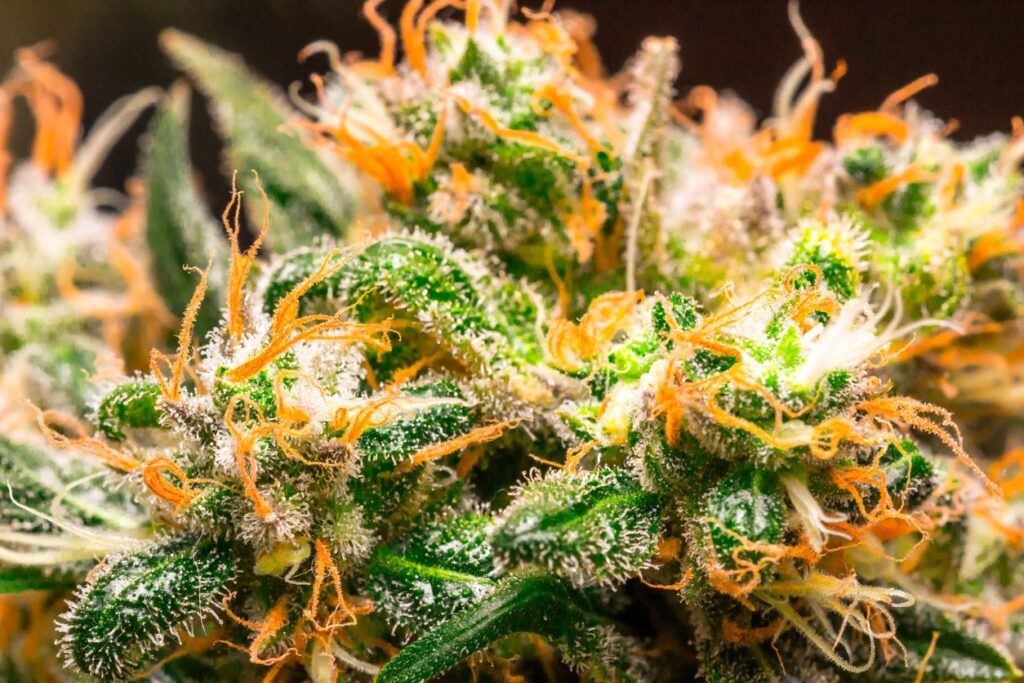
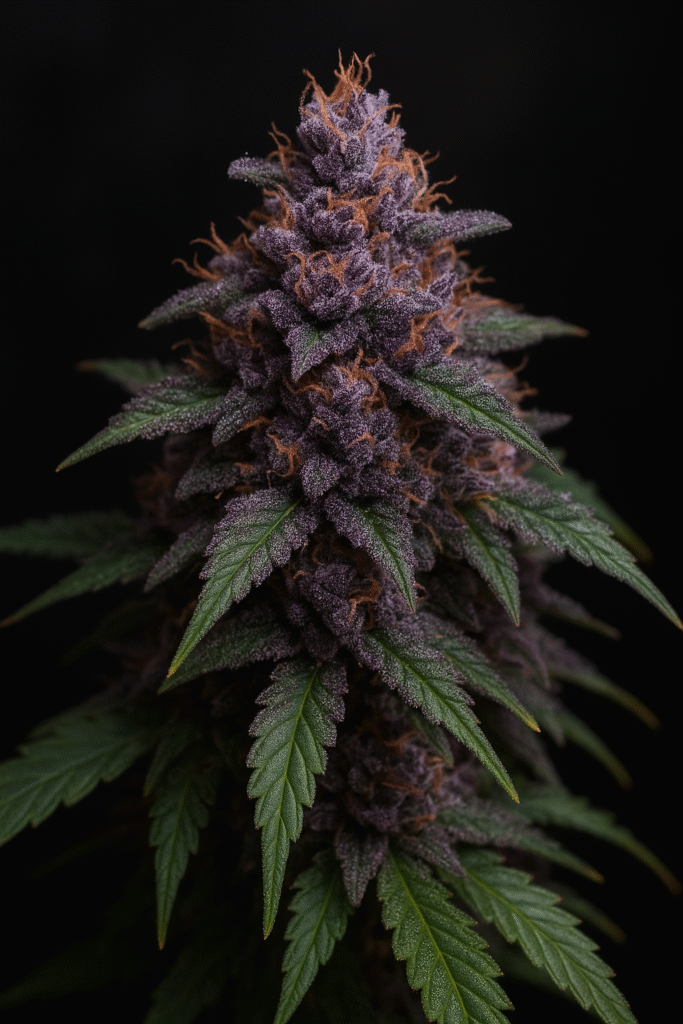
If you’ve seen pictures, you’ll know why it’s called “Granddaddy Purple.” The buds look like they were dipped in plum juice—rich purple hues wrapped in a layer of frosty trichomes.
How It Works in the Body (In Simple Terms)
You’ve probably heard cannabis experts talk about THC, CBD, and terpenes. Let’s simplify that.
- THC is the main chemical that gives you that “high” and also helps with pain and insomnia.
- CBD calms the nervous system and helps balance out THC’s more intense effects.
- Terpenes are the natural oils that give cannabis its smell, and they do a lot more than most people realize.
In Granddaddy Purple, two key terpenes do most of the heavy lifting:
- Myrcene: Known for its sedating, muscle-relaxing qualities. It’s also found in mangoes and lemongrass.
- Caryophyllene: A spicy, peppery terpene that may reduce inflammation and anxiety.
Together, they make GDP a great choice for winding down, especially after a long day or when chronic pain flares up.
Why Doctors Recommend GDP for Nighttime Use
From a medical perspective, GDP isn’t just about “feeling calm.” It’s about restorative recovery.
For many patients in Kentucky, the toughest challenges aren’t just physical pain, it’s the inability to rest deeply enough to heal. Chronic insomnia, PTSD, and fibromyalgia can keep the body in a constant state of tension. GDP helps shift that balance.
Here’s what most patients report:
- Muscles begin to relax within 15–30 minutes.
- Thoughts start to slow down, and the “mental chatter” eases.
- Sleep comes naturally—not forced.
And unlike prescription sleep aids, GDP doesn’t cause that heavy grogginess the next morning. You wake up rested, not dazed.
Dosing Tips: Start Small, Then Adjust
Even though GDP is popular, it’s also potent. Many batches test between 17–23% THC.
Here’s a simple dosing guide for Kentucky patients:
- New patients: Start with 2.5 mg THC or one small inhalation from a vaporizer. Wait 30–60 minutes.
- Intermediate: 5–10 mg THC, especially if you have experience with other strains.
- Advanced or high-tolerance users: 10–20 mg, depending on symptoms and tolerance.
If you’re using edibles, always remember they take longer to kick in—sometimes up to 2 hours. Be patient. More isn’t always better with GDP.
What Conditions It’s Commonly Used For
Kentucky’s medical marijuana program lists several qualifying conditions, and GDP fits naturally with many of them:
- Chronic pain (arthritis, migraines, fibromyalgia)
- Insomnia and sleep disorders
- PTSD and anxiety
- Muscle spasms or multiple sclerosis
- Appetite loss or nausea from chemotherapy
One of the biggest advantages of GDP is its ability to relax the body without causing anxiety. Some high-THC strains can overstimulate sensitive patients, but GDP’s terpene mix keeps things balanced.
A Patient Story
A patient I recently met, let’s call her Lori—had been struggling with pain and insomnia for over a decade. Prescription sleep aids left her feeling foggy.
When she switched to Granddaddy Purple, things changed.
Within a week, she was sleeping through the night.
Within a month, her daytime anxiety and pain levels dropped noticeably.
Her quote stuck with me:
“It’s the first time in years I’ve felt rested without feeling medicated.”
That’s the kind of transformation we hope to see more of as medical cannabis becomes accessible across Kentucky.
Where Kentucky Patients Can Expect to Find It
As dispensaries open statewide, strains like GDP will likely be stocked by name. Look for indica-dominant flower or full-spectrum oil cartridges labeled “Granddaddy Purple.”
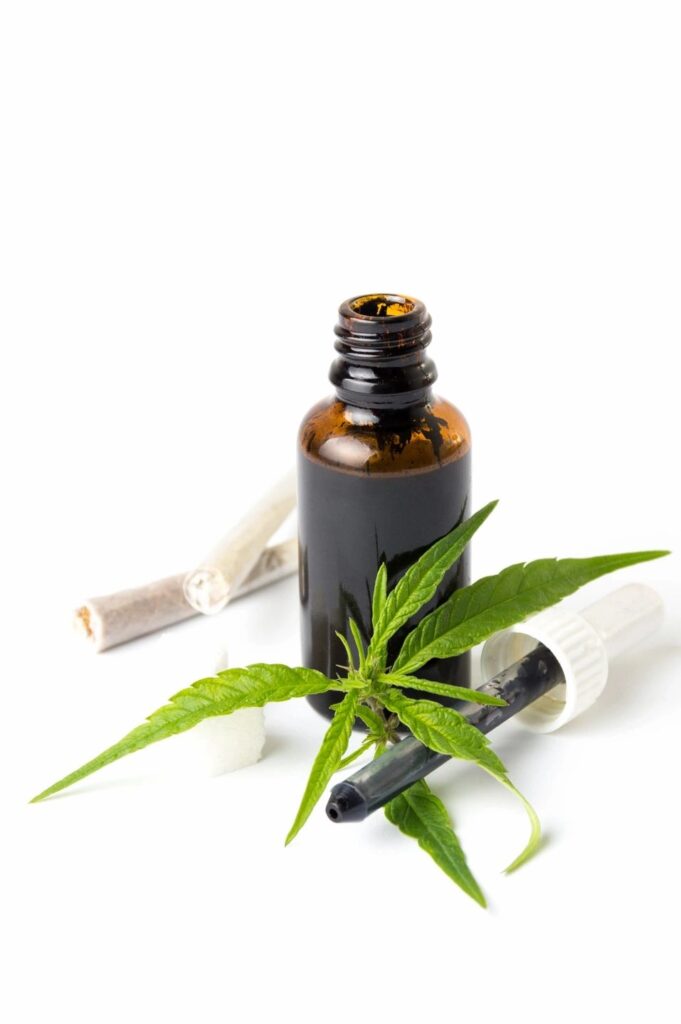
For those who prefer discretion, some producers may also offer GDP tinctures or capsules—ideal for controlled nighttime dosing.
When buying, check:
- THC % (aim for 17–20% to start)
- Terpene profile (high myrcene content means stronger sedation)
- Lab results (always verify purity and cannabinoid ratios)
Final Thoughts
Granddaddy Purple isn’t about chasing a “high.” It’s about finding peace in a body that’s been fighting itself all day.
For patients in Kentucky who need pain relief, muscle relaxation, and real sleep, this strain could become a household name—right next to your favorite herbal tea or nighttime routine.
As always, start low, go slow, and talk to a certified medical marijuana doctor about your dosage and strain options. Every body is different—but for many, GDP is the reset button they’ve been waiting for.