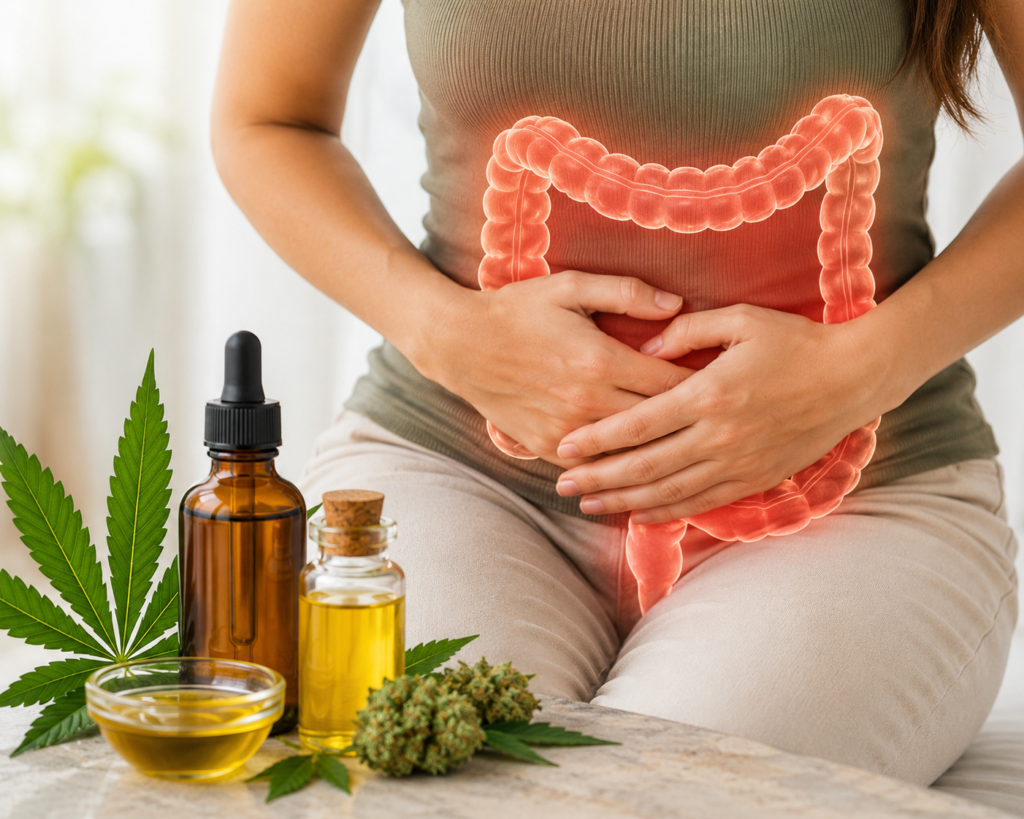
Living with IBS can feel exhausting.
One week your stomach feels manageable, and the next you’re dealing with bloating, cramping, diarrhea, constipation, or sudden bathroom urgency that completely disrupts your day. Many patients start avoiding restaurants, long drives, social events, or even work meetings because they never know when symptoms might flare up.
That’s exactly why more patients across the United States are asking doctors about medical cannabis. They’re not necessarily looking to get high. Most are simply searching for relief after trying diets, medications, probiotics, and stress-management strategies without consistent and lasting results.
At Med Card District, we regularly speak with patients who want honest medical guidance about whether cannabis may help symptoms like abdominal pain, nausea, cramping, bowel urgency, poor appetite, or stress-related IBS flare-ups. While cannabis is not a cure for IBS, emerging research and patient experiences suggest it may help some individuals manage symptoms and improve quality of life.
In this article, we’ll break down what current medical research says, how cannabis interacts with the digestive system, possible benefits and risks, and what IBS patients should know before considering medical marijuana.
Understanding IBS
IBS (Irritable Bowel Syndrome) is considered a disorder of gut-brain interaction. This means the digestive system and nervous system communicate abnormally, leading to symptoms even when no structural disease is present.
Common IBS symptoms include:
- Abdominal pain or cramping
- Bloating and excess gas
- Diarrhea (IBS-D)
- Constipation (IBS-C)
- Mixed bowel habits (IBS-M)
- Nausea and reduced appetite
- Food sensitivity
- Anxiety linked to digestive symptoms
Many IBS patients experience flare-ups after stress, certain foods, poor sleep, or hormonal changes. Over time, this can create a cycle where anxiety worsens gut symptoms, and gut symptoms increase anxiety.
Learn more about IBS from trusted medical sources like the
National Institute of Diabetes and Digestive and Kidney Diseases (NIDDK) IBS Overview
How Cannabis May Affect the Digestive System
The human body contains an internal regulatory network called the endocannabinoid system (ECS). This system helps control:
- Pain perception
- Inflammation
- Gut motility
- Appetite
- Sleep
- Stress response
Cannabis compounds like THC and CBD interact with cannabinoid receptors throughout the brain, immune system, and digestive tract.
Researchers believe cannabis may help some IBS patients by:
- Reducing abdominal pain sensitivity
- Relaxing intestinal spasms
- Modulating gut movement
- Reducing nausea
- Supporting appetite
- Improving sleep quality
- Lowering stress-related flare-ups
A study published in PLOS ONE found links between endocannabinoid signaling and IBS-related pain regulation:
PLOS ONE Study on Endocannabinoids and IBS Pain
This suggests the ECS may play a meaningful role in IBS symptom behavior.
Can Cannabis Help IBS Pain and Cramping?
Pain is one of the most difficult IBS symptoms to manage clinically.
Patients often describe:
- Sharp abdominal cramps
- Pressure or tightness
- Burning sensations
- Pain after eating
Cannabinoids may help reduce what we call visceral hypersensitivity, where the gut becomes overly sensitive to normal digestion.
In practical terms, the gut “overreacts” to normal movement, gas, or stretching.
Some patients report reduced cramping and improved comfort with cannabis-based products, particularly THC-containing formulations. CBD may also contribute through calming and anti-inflammatory effects.
A review published in Nature Reviews Gastroenterology & Hepatology discusses the therapeutic potential of targeting the endocannabinoid system in gastrointestinal disorders:
Nature Reviews Gastroenterology – Endocannabinoid System & GI Pain
Can Cannabis Help IBS-D (Diarrhea Symptoms)?
Patients with IBS-D often struggle with urgency, frequent bowel movements, and fear of leaving home.
Some clinical observations suggest THC may slow gut motility, which in some patients may lead to:
- Reduced urgency
- Fewer bathroom trips
- Improved post-meal control
However, responses are highly individual.
Some patients improve, others may experience worsening symptoms depending on:
- Dose
- THC strength
- Product type
- Individual gut sensitivity
Cannabis should never replace proper medical evaluation for red-flag symptoms like blood in stool, fever, or unexplained weight loss.
Can CBD Help IBS Symptoms?
CBD has become increasingly popular among IBS patients because it does not produce intoxication like THC.
Potential benefits include:
- Reduced anxiety during flare-ups
- Mild anti-inflammatory effects
- Improved sleep quality
- Nausea reduction
- Stress modulation
A controlled study on CBD and gastrointestinal symptoms found improvements in patient-reported discomfort and quality of life:
CBD Study on IBS Symptom Relief
However, larger clinical trials are still needed before CBD can be considered a standard IBS treatment.
The Gut-Brain Connection and Anxiety
IBS is strongly influenced by the gut-brain axis, the communication system between your brain and digestive tract.
Stress can:
- Increase gut sensitivity
- Trigger cramping
- Change bowel movement patterns
- Worsen bloating
This is why many patients report symptom relief when anxiety improves.
Some individuals use cannabis for this reason alone, not just gut symptoms, but the stress loop that drives them.
However, cannabis should not be the only strategy for emotional regulation. Long-term management often includes:
- Stress reduction techniques
- Sleep optimization
- Regular exercise
- Dietary adjustments
- Therapy or counseling when needed
What Current Research Says
Research on cannabis and IBS is still evolving, but findings are promising in certain areas.
Studies suggest some patients report:
- Reduced abdominal discomfort
- Better nausea control
- Improved sleep
- Enhanced quality of life
A retrospective study found IBS patients using cannabis reported different healthcare utilization patterns compared to non-users:
Cannabis Use in IBS Patients Study
Ongoing research at major institutions, including the Mayo Clinic, is also evaluating cannabis for IBS-related symptoms:
Mayo Clinic Cannabis IBS Clinical Trial
At this stage, experts agree:
More randomized clinical trials are needed before cannabis becomes a first-line IBS treatment.
Potential Risks and Side Effects
Cannabis is not risk-free.
Possible side effects include:
- Dizziness
- Dry mouth
- Fatigue
- Anxiety or paranoia
- Impaired focus
- Increased heart rate
- Dependency risk with long-term heavy use
Rare but important condition:
Cannabinoid Hyperemesis Syndrome (CHS), severe nausea linked to chronic cannabis use.
Patients with heart conditions, psychiatric disorders, pregnancy, or substance use concerns should consult a healthcare provider before use.
Best Practices for IBS Patients Considering Cannabis
From a clinical perspective, safe use matters more than fast use.
Recommended approach:
- Start with low doses
- Avoid high-THC products initially
- Track symptoms daily
- Use tinctures or capsules over smoking when possible
- Combine with diet and lifestyle changes
- Stay under medical supervision
Many physicians recommend starting with CBD-dominant formulations before introducing THC-based products.
At Med Card District, patients can connect with licensed medical marijuana doctors who evaluate symptoms, review eligibility, and guide safe, state-compliant access to medical cannabis when appropriate.
Lifestyle Strategies That Also Help IBS
Cannabis works best as part of a broader IBS management plan.
Common supportive strategies include:
- Low-FODMAP diet approach
- Regular hydration
- Consistent meal timing
- Exercise
- Sleep improvement
- Fiber adjustment
- Stress reduction techniques
Diet-based approaches such as low-FODMAP diets have shown measurable symptom improvement in many IBS patients.
Low-FODMAP Diet Overview
Final Thoughts
Cannabis may provide meaningful symptom relief for some IBS patients, especially those dealing with abdominal pain, cramping, nausea, stress-related flare-ups, and bowel urgency.
The interaction between cannabinoids and the endocannabinoid system gives a strong biological explanation for why some patients experience improvement.
However, it is important to be clear:
Cannabis is not a cure for IBS.
It does not work the same for everyone, and results depend on dose, product type, and individual biology.
The safest approach is always:
- Physician-guided care
- Gradual introduction
- Lifestyle and dietary support
- Ongoing symptom monitoring
Patients experiencing severe symptoms such as bleeding, weight loss, persistent vomiting, or sudden bowel changes should seek immediate medical evaluation.